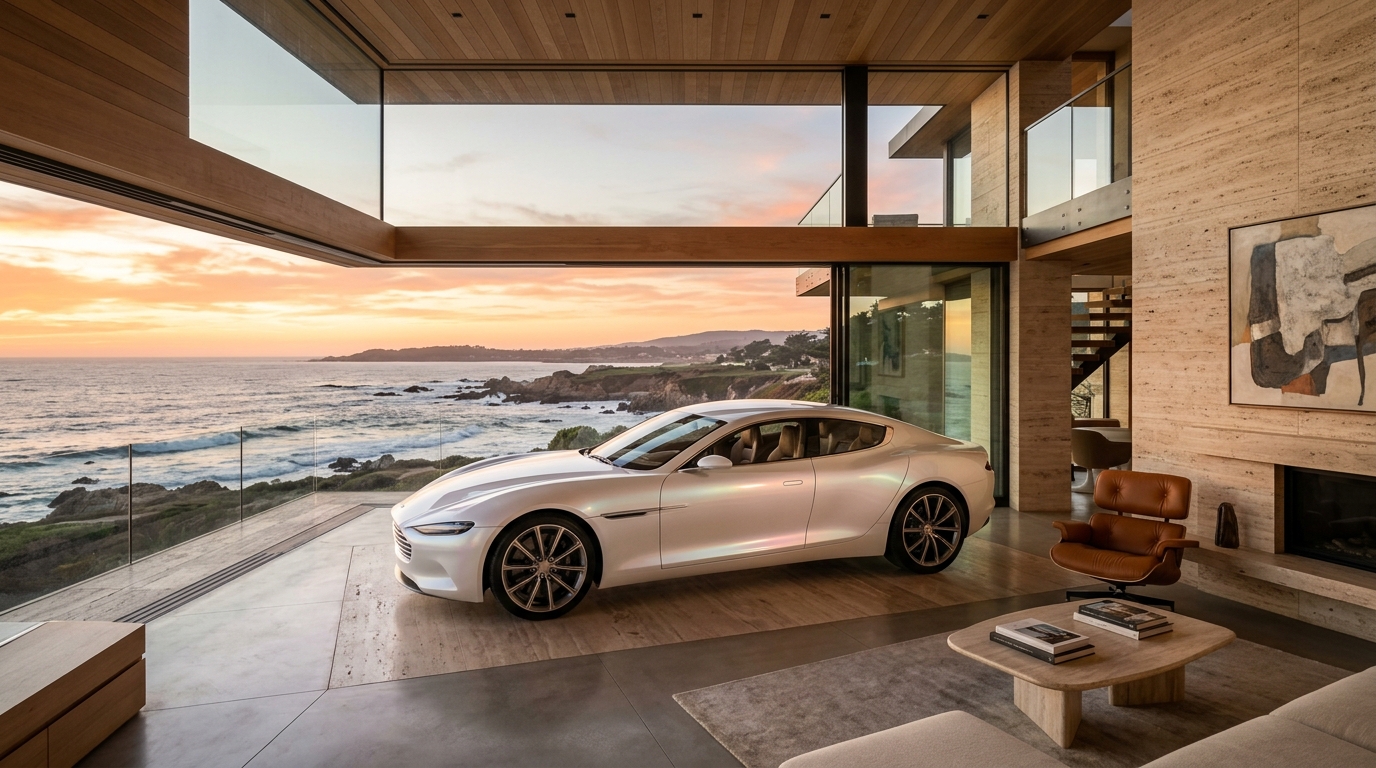
The most exclusive cars of 2026 are increasingly difficult to describe as simply customized vehicles. At the highest end of the market, manufacturers are treating cars more like commissioned architecture, furniture or couture: a client arrives with an idea, memory, place, material or personal reference, and designers translate it into a complete physical environment.
That change can be seen across several luxury brands. Range Rover has expanded its Bespoke program as demand for personalization grows. Bentley’s Mulliner division continues to develop increasingly complex client commissions, while Rolls-Royce has introduced an entirely new Coachbuild Collection built around a multi-year relationship between the marque and selected clients.
The result is a different definition of automotive luxury. Exclusivity is no longer created only by price, performance or limited production. It can come from authorship: knowing that a material combination, embroidery pattern, body color or even entire vehicle concept exists because one client participated in creating it.
This direction also connects directly with the broader automotive design culture explored by cars.archi. As vehicles become more technologically capable, the most expensive commissions are moving in the opposite direction from mass-market standardization. They are becoming intensely personal objects shaped by place, craft, memory and architecture.
Why Bespoke Automotive Design Is Expanding in 2026
Personalization is not new. Luxury manufacturers have offered special paint, leather and trim combinations for decades. What is changing is the depth of involvement. The traditional configurator asks a buyer to choose between existing options. A true bespoke process asks what should exist specifically for that buyer.
That difference is significant because modern luxury cars increasingly share sophisticated technologies. Large digital displays, advanced driver assistance, electrified powertrains and premium audio systems are no longer sufficient to make a flagship vehicle feel unique. Bespoke design gives manufacturers another way to create distinction that cannot be reduced to a specification sheet.
Luxury Brands Are Moving From Personalization to Co-Creation
The word “bespoke” is most meaningful when the client becomes part of the design process. Instead of selecting a predefined combination, clients can work with designers, material specialists and craftspeople to develop colors, motifs, finishes and details around a personal idea.
Range Rover Shows How a Personal Story Can Become a Complete Design Concept
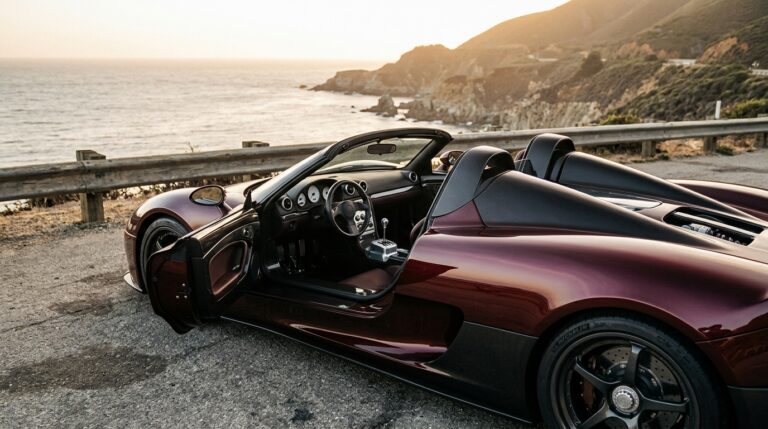
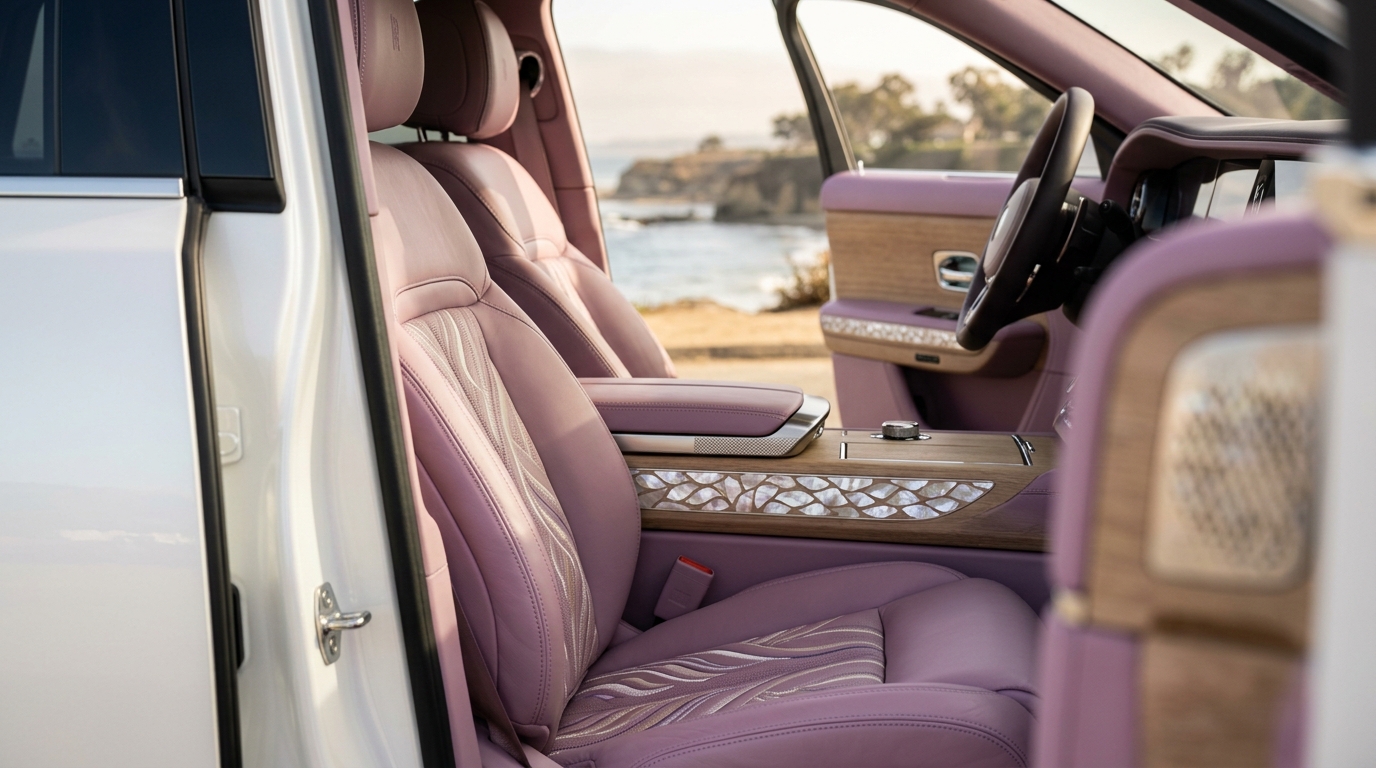
The one-of-one Range Rover SV Pearl Luster revealed during Monterey Car Week 2026 demonstrates this approach clearly. The commission was inspired by White Abalone Pearl found along California’s coastline. Rather than using that reference only to select an exterior color, Range Rover developed an entire material story around it.
The exterior uses a bespoke white pearl gloss finish intended to capture depth and iridescence. Inside, Orchid leather is combined with Natural Light Linear Wenge veneer and ethically sourced Natural White Mother of Pearl inlays. Bespoke embroidery, specially finished wheels, unique treadplates and other commissioned details extend the theme throughout the vehicle.
What makes Pearl Luster interesting from a design perspective is coherence. Its luxury does not come from adding the maximum number of expensive materials. Instead, the project begins with one reference—the color and texture of a coastal pearl—and carries that idea across exterior paint, interior materials, detailing and presentation.
That is remarkably similar to an architectural concept. An architect might begin with landscape, climate or a particular material and use it to guide a building’s palette, lighting and interior atmosphere. The bespoke car is beginning to work the same way.
Rolls-Royce Coachbuild Pushes the Idea Beyond a Customized Production Car
Rolls-Royce is taking the idea further. In March 2026, the company announced its Coachbuild Collection, describing it as a new super-luxury proposition created in response to global client demand. Instead of simply adapting an existing production vehicle, the program combines a coachbuilt motor car with a multi-year series of experiences.
This matters because coachbuilding changes the scale of authorship. The client is no longer choosing finishes for an existing object; the relationship can influence the object itself. Rolls-Royce describes Coachbuild Collection vehicles as limited-number creations authored by the company and never repeated.
The approach revives a tradition that existed before mass production, when wealthy clients could commission bodies from specialist coachbuilders. But the 2026 version is not pure nostalgia. Modern engineering, digital development and advanced manufacturing allow historical craftsmanship to coexist with contemporary technology.
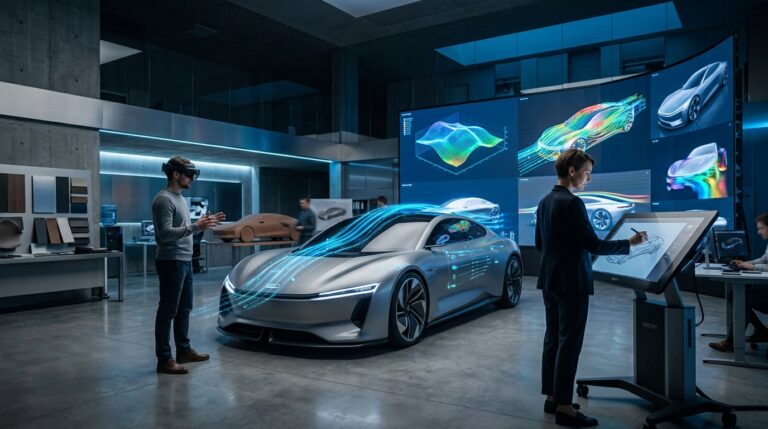
For readers following automotive design studios, this is particularly important. It creates a space where automotive designers can work more like architects or industrial designers on a highly specific commission rather than designing primarily for scale.
Materials and Place Are Becoming a New Language of Automotive Luxury
One of the clearest trends in bespoke design is the growing importance of material storytelling. Luxury brands increasingly speak about vehicles in the same vocabulary used for interiors, galleries and furniture: tactility, provenance, reflection, texture, contrast and atmosphere.
Range Rover made that connection unusually explicit at Milan Design Week 2026. Its “Traces” installation explored memory, color, motif and material through spatial design, commissioned artwork, sound and bespoke automotive craftsmanship. The event demonstrated how a vehicle can sit within a wider design conversation rather than being presented only as transportation.
Luxury Is Shifting From Visible Excess to Material Intelligence
The most convincing bespoke interiors do not necessarily use the greatest number of decorative features. Their sophistication often comes from how materials relate to one another. Grain direction, gloss level, stitching density, metal temperature, color transition and surface depth can determine whether a cabin feels considered or merely expensive.
Bentley provides another example. Mulliner’s Batur Convertible #4 included a client-developed tri-tone exterior using custom colors, a color-matched roof, a client-designed animated welcome lamp and three-dimensional printed platinum. The commission shows how bespoke work can combine traditional craft with digital manufacturing.
That combination may become one of the defining characteristics of luxury automotive design. Hand-finishing does not have to compete with advanced production methods. A 3D-printed precious-metal component can be just as specific to a client as traditional embroidery or hand-finished veneer.
This also creates opportunities for the types of craftspeople and material experts that belong in a design specialists directory. As personalization becomes more ambitious, manufacturers require knowledge extending beyond traditional automotive engineering into textiles, jewelry techniques, surface development, woodworking and digital fabrication.
Why Bespoke Cars Are Starting to Resemble Architecture
The connection between cars and architecture goes deeper than materials. Both disciplines organize space around people. Both must balance structure, function, technology and emotion. And at the highest level, both can become commissioned expressions of an owner’s identity.
A bespoke car interior is effectively a very small room subjected to unusually demanding constraints. Designers have to consider how surfaces are touched, where light falls, how occupants enter, what they see from each seat and how materials change between daylight and artificial illumination.
The Commissioning Experience Is Becoming Part of the Product
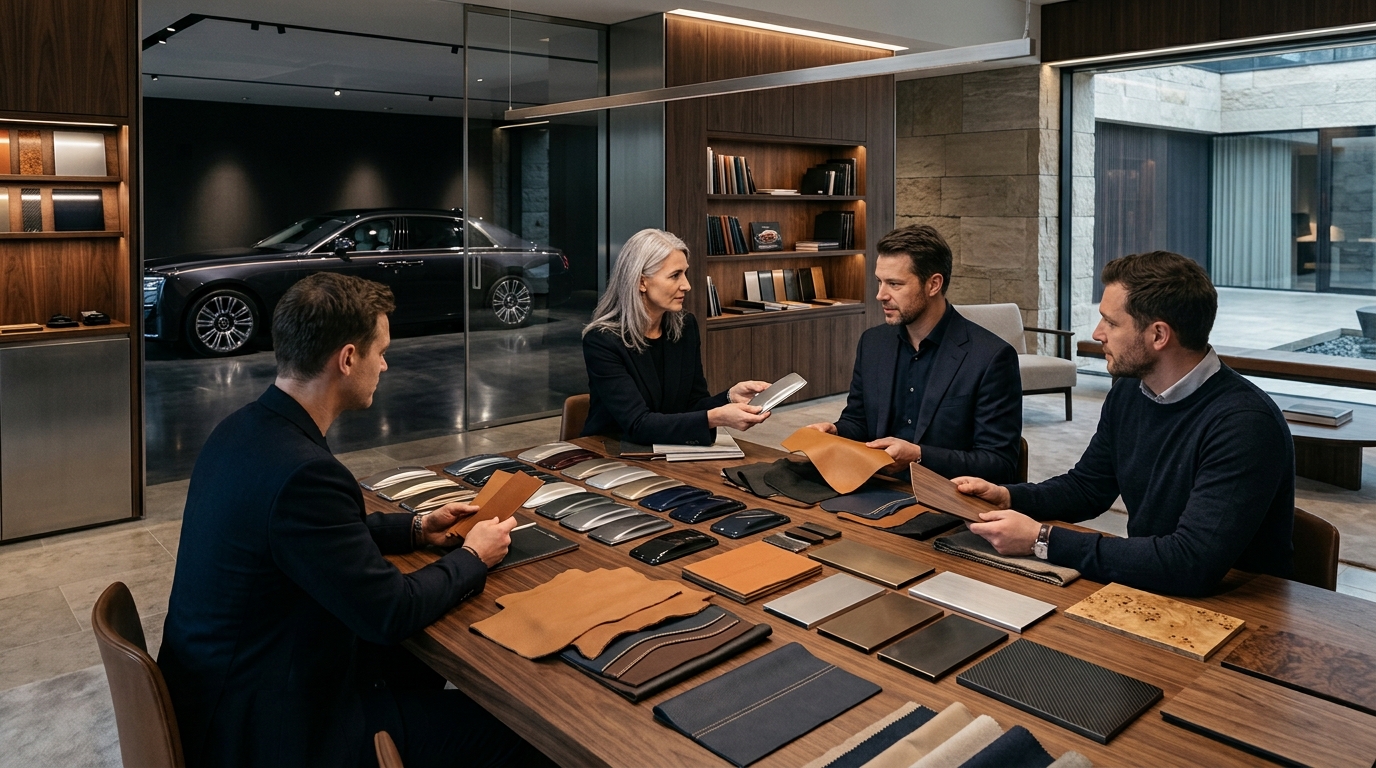
Luxury brands are therefore investing not only in vehicles but also in places where clients create them. Range Rover is expanding its network of commissioning suites, while its Range Rover House experiences combine vehicles with architecture, hospitality and carefully controlled environments. Rolls-Royce uses its Private Office network to develop highly individualized client relationships.
The physical setting matters because clients making complex decisions need to experience materials at full scale. Paint has to be seen under different lighting. Leather, textiles, wood and metal have to be touched. Combinations need to be evaluated as an atmosphere rather than as small samples on a screen.
Commissioning Suites Are Becoming Automotive Design Studios for Clients
This transforms the showroom model. A conventional dealership is designed primarily to display inventory and complete transactions. A commissioning suite functions more like an interior-design studio: material libraries, samples, controlled lighting and specialist consultation help a client develop an object that may not yet exist.
That shift is relevant to the evolving world of automotive showroom architecture. As online purchasing makes ordinary configuration easier, physical luxury spaces need to offer something a website cannot. Co-creation is one answer. The showroom becomes less about seeing a finished car and more about participating in the creation of one.
The same thinking extends into ownership. A bespoke vehicle can be designed around a client’s home, collection or lifestyle. Colors may reference an existing car, yacht, artwork or architectural interior. A classic model can even be restored to form a matched pair with a new vehicle, as Range Rover demonstrated in 2026 with a bespoke 1993 Range Rover Classic created to complement the Range Rover SV Ultra.
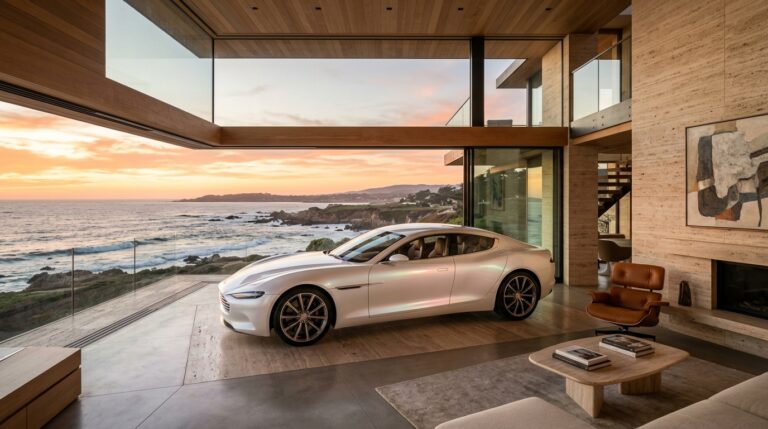
At that point, the automobile becomes part of a larger designed environment. It may sit in a carefully planned collector garage, interact visually with a house, or belong to a collection whose colors and materials have been considered together.
This is why describing high-end bespoke cars as “rolling architecture” is becoming increasingly appropriate. Their value is not only in the mechanical object. It is in the coordination of exterior form, interior space, materials, craftsmanship, lighting, client narrative and the environments surrounding ownership.
commercial reason
There is also a commercial reason for manufacturers to move in this direction. Mass-produced luxury vehicles face a fundamental problem: success makes them more common. Personalization allows a manufacturer to sell the same underlying platform while giving individual clients something that feels singular. The more capable the bespoke department becomes, the less exclusivity depends on simply limiting production.
For designers, the opportunity is even more interesting. Bespoke programs create laboratories where unusual finishes, craft processes and material combinations can be tested at a scale that would be difficult to justify across thousands of vehicles. Some ideas will remain one-offs, while others may eventually influence broader production design.
The rise of bespoke cars in 2026 therefore represents more than wealthy buyers requesting unusual colors. It reflects a broader shift in what luxury means. Technology can be copied. Performance can be surpassed. A deeply personal object built around an individual story is much harder to reproduce.
As automotive design continues to intersect with architecture, fashion, furniture and art, the most interesting luxury cars may increasingly be judged the same way as exceptional spaces: not by how many features they contain, but by whether every detail belongs to the same idea.
For an official example of this approach, see Range Rover’s SV Pearl Luster one-of-one commission revealed at Pebble Beach during Monterey Car Week 2026.