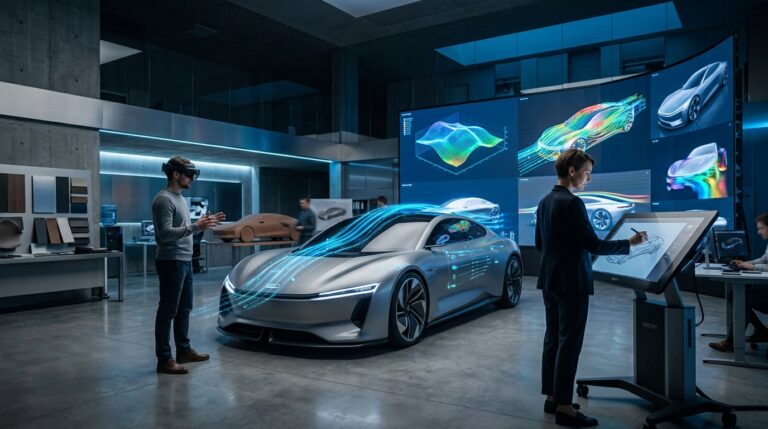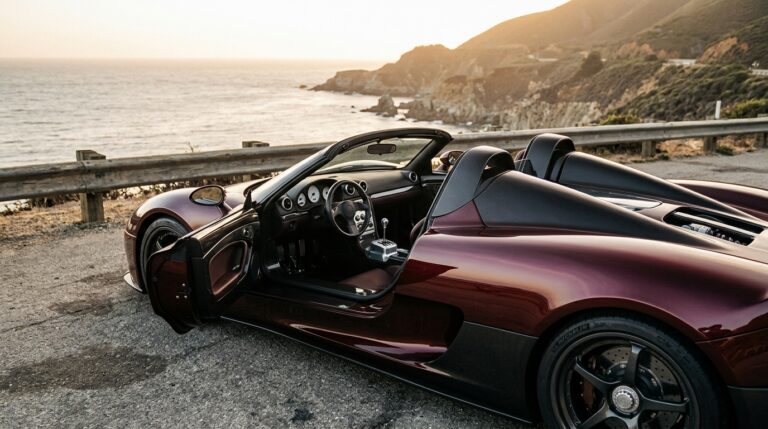
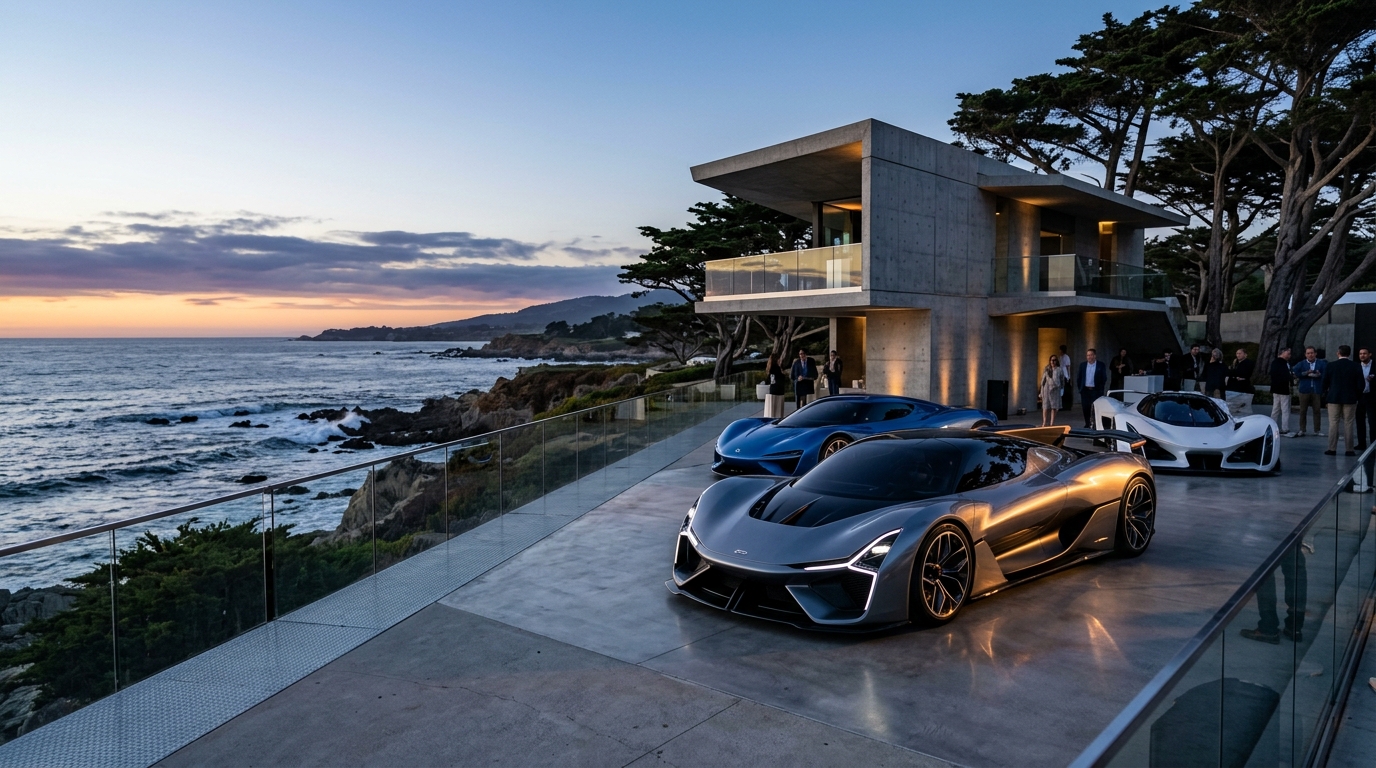
Monterey Car Week has always been where automotive history and future ambition meet, but the 2026 edition made that contrast especially clear. Alongside concours classics, manufacturers revealed concepts, one-offs and new interpretations of established brand identities. Instead of one dominant aesthetic, the week showed competing ideas about where automotive design is heading.
Electric performance cars are becoming more visually confident. Luxury brands are treating personalization more like architectural commissioning than option-box shopping. Heritage cues are returning in edited rather than purely retro forms, while naturally aspirated engines, manual gearboxes and tactile materials can feel radical in a software-heavy industry.
For readers interested in automotive design culture, Monterey Car Week 2026 offered a snapshot of the tensions shaping new cars: digital versus tactile, efficient versus emotional, minimal versus theatrical, and global technology versus specific brand identity.
Why Monterey Car Week 2026 Mattered for Automotive Design
Car Week is no longer only a celebration of valuable classics. It is a design stage where futuristic concepts sit beside historically important cars. A new vehicle shown in Monterey is therefore judged not only against current competitors, but against decades of proportion, craftsmanship, racing history and coachbuilding.
The 2026 Concept Lawn reinforced that role. BMW presented the M Concept Neue Klasse as a view of fully electric M performance. Acura used the NEXERA Vision to introduce a new design direction. Audi showed the Nuvolari as a high-performance hybrid with a new design philosophy, while more analogue-minded projects such as the Eccentrica V12 Roadster celebrated mechanical engagement and low-digital interaction. Those debuts made Monterey a particularly useful place to study what designers are preserving, what they are discarding and what they are redefining.
Concept vehicles exaggerate ideas so they can be understood quickly: lighting becomes more graphic, surfaces cleaner, proportions more dramatic and interiors more architectural. Even when a concept never enters production, its ideas can migrate into road cars and brand experiences. Readers following future mobility should see these vehicles as competing design proposals rather than one prediction of the future.
Six Trends Pointing to Where Car Design Is Going Next
Trends 1–2: Electrification Is Creating New Proportions and Stronger Brand Signatures
Trend 1 is the normalization of electric performance design. Earlier generations of EV concepts often advertised their powertrain through unfamiliar proportions, closed grilles, blue trim or overtly futuristic graphics. In 2026, the more interesting direction is confidence. Designers are increasingly treating electrification as an engineering foundation rather than a visual costume.
BMW M Concept Neue Klasse Shows That EVs Can Still Look Brand-Specific
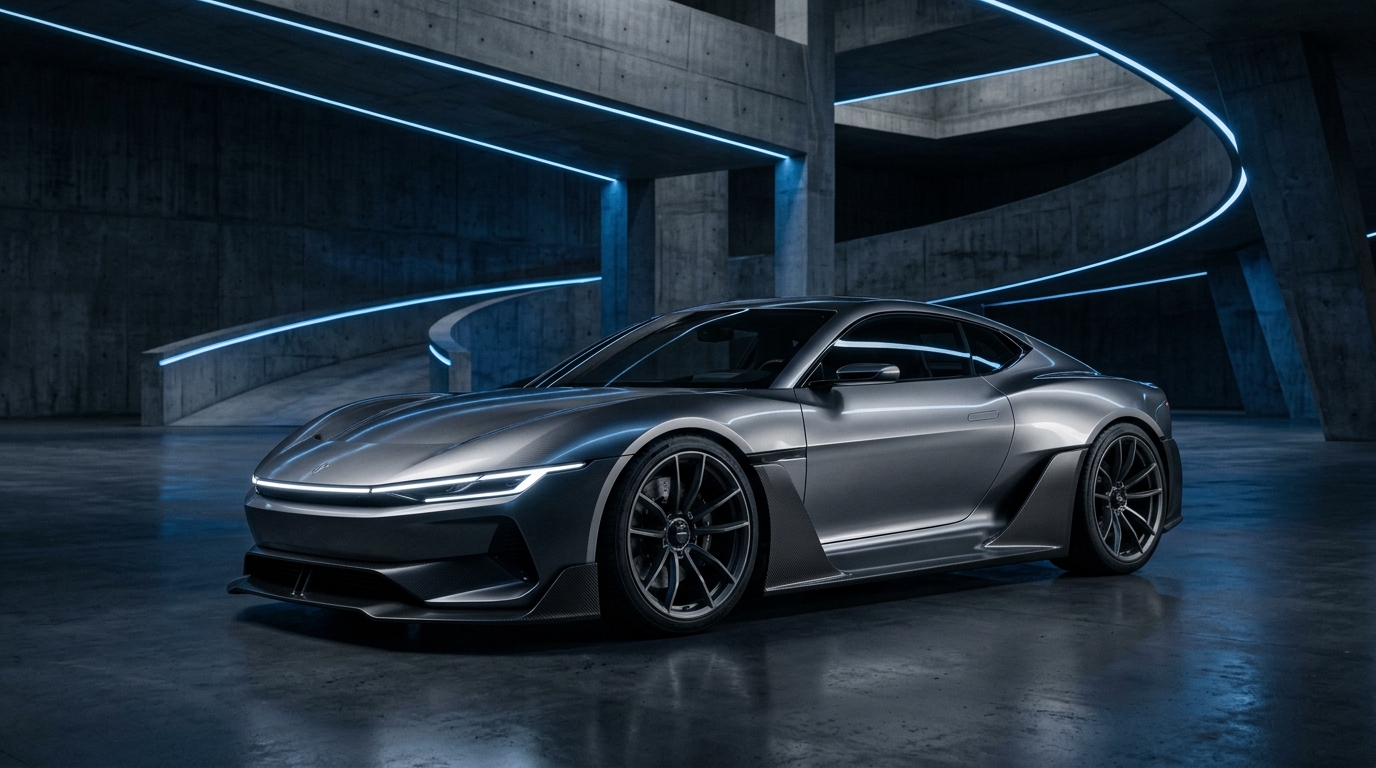
The BMW M Concept Neue Klasse is a strong example because it does not abandon recognizable M cues simply because the drivetrain changes. BMW describes powerful proportions, a forward-leaning shark nose, flared arches and functional surfaces shaped around aerodynamics, cooling and high-speed stability. The important point is not whether every detail reaches production. It is that electric performance is being expressed through stance, graphic identity and purpose rather than by making the car look like a generic technology object.
That direction is important for the broader concept car landscape. As EV platforms mature, the design challenge is shifting from “How do we make an electric car look new?” to “How do we make this electric car unmistakably ours?” Brand recognition may increasingly depend on silhouette, lighting, wheel-to-body relationships, surface tension and interface design instead of traditional grille architecture.
Acura NEXERA Vision Turns Lighting Into Part of the Body Architecture
Trend 2 is the rise of lighting as a primary design signature. Acura’s NEXERA Vision demonstrates how lighting can become more than a lamp graphic placed onto sheet metal. Its ultrathin lighting and hidden “phantom lighting” are treated as part of the car’s visual identity, while the long dash-to-axle proportion and one-motion cabin keep the overall silhouette clean.
As front grilles become less mechanically necessary on electrified vehicles, designers gain another way to build recognition through illuminated graphics and concealed technology. The best examples will use light to reinforce proportion, depth and movement, creating a discipline between exterior design, interaction design and architecture.
Trends 3–4: Bespoke Craftsmanship and Heritage Are Becoming More Sophisticated
Trend 3 is the evolution of bespoke design from customization into co-creation. High-end customers increasingly expect more than a special paint color or contrast stitching. They want narratives, materials and details that make a vehicle feel commissioned. That moves automotive personalization closer to architecture, furniture and couture, where the client participates in shaping the final object.
Range Rover Pearl Luster Shows How Material Stories Can Define a One-Off
The one-of-one Range Rover SV Pearl Luster revealed during Monterey Car Week used White Abalone Pearl from the California coast as its inspiration. The exterior, leather color, Mother of Pearl finishers and embroidery were developed around that material story. What makes the project relevant is not rarity alone. It shows how a bespoke car can be organized around a coherent sensory concept rather than a random collection of premium finishes.
That same thinking is useful when considering automotive showroom design. A strong luxury environment uses material, light, color and narrative consistently. Bespoke vehicles are increasingly doing the same thing at object scale. The car becomes a small moving interior architecture project, with the exterior, cabin and ownership story designed as one experience.
Modern Heritage Is About Editing the Past, Not Recreating It
Trend 4 is a more selective use of heritage. Vision BMW ALPINA, for example, reinterprets recognizable themes such as a sweeping coupé roofline, shark-nose stance and deco-line detailing while combining them with contemporary materials and technology. The goal is not to reproduce an older ALPINA. It is to preserve the qualities associated with the brand—speed, comfort, discretion and craftsmanship—without freezing the design language in a previous decade.
Heritage can create instant recognition, but too much nostalgia can make a new vehicle depend on its ancestors. The stronger approach is to identify the principles behind an old design and translate them into new proportions, surfaces or materials. That is why heritage-led projects matter to automotive design studios: they reveal whether a team understands a brand’s DNA or merely its visual clichés.
Trends 5–6: Analogue Emotion and Architectural Experience Are Converging
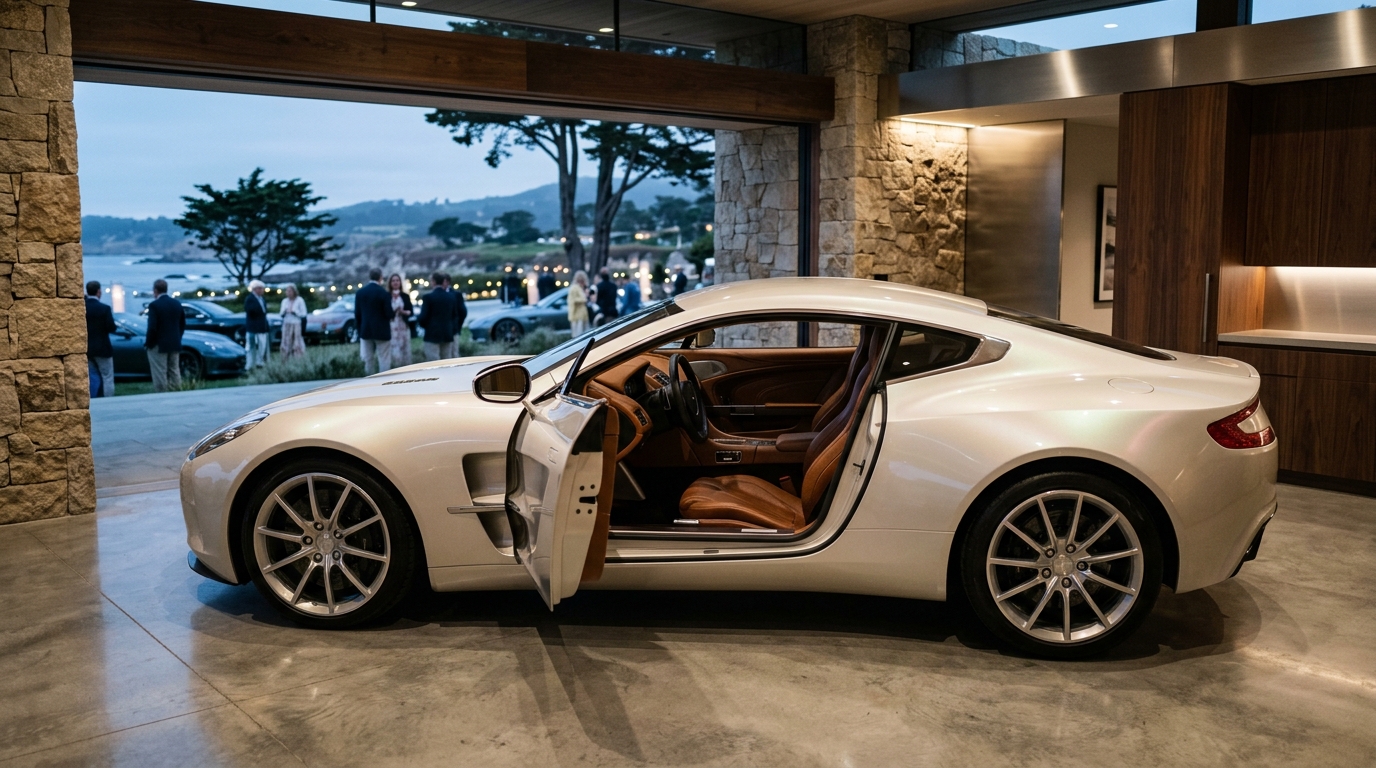
Trend 5 is the return of analogue emotion as a luxury value. The Eccentrica V12 Roadster is deliberately mechanical: a naturally aspirated V12, gated manual gearbox, hydraulic steering and an emphasis on material contact rather than digital mediation. In an industry filled with large screens, software layers and automated functions, direct mechanical interaction can now feel exclusive precisely because it is becoming less common.
The future will not abandon software, but analogue and digital experiences are separating into clearer identities. Some vehicles will compete on intelligence and seamless interfaces; others will become desirable because they reduce mediation. For enthusiasts exploring garage culture, collectible cars may increasingly be valued for the kind of interaction they preserve.
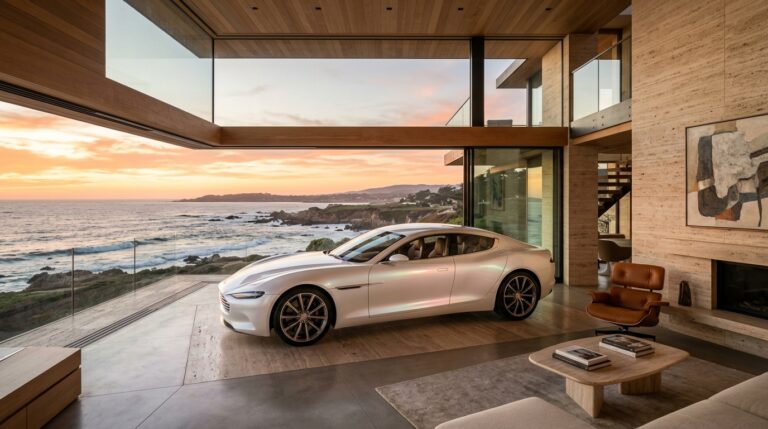
Trend 6 is that the environment around the car is becoming part of automotive design itself. Monterey makes this especially visible because cars are presented in curated lawns, private houses, hospitality spaces, coastal settings and temporary brand installations. The vehicle is rarely experienced as an isolated product. Architecture, landscape, lighting and staging shape how its proportions and materials are perceived.
That is one reason the boundary between automotive design and architecture is increasingly interesting. A low sports car looks more dramatic against monumental concrete. A quiet luxury EV feels different inside a warm, hospitality-led showroom than on a conventional dealership floor. A bespoke vehicle gains meaning when its material story connects to a specific place. These relationships are central to the cars.archi perspective: the future of the automobile is not only about what designers draw, but also about the spaces in which cars are created, displayed, collected and experienced.
Monterey Car Week 2026
Monterey Car Week 2026 did not reveal one universal design formula, and that may be its most useful lesson. Electric platforms offer new freedom, but identity still matters. Bespoke programs are expanding, but coherence matters more than excess. Heritage is powerful, but reinterpretation is stronger than imitation. As cars become more curated objects, the architecture around them also becomes part of the story.
For anyone following automotive design in 2026, the most important trend is therefore not a single grille shape, lighting style or powertrain. It is the growing emphasis on identity. The vehicles and brands that stand out are the ones that use technology, materials, proportion, craft and environment to communicate a clear point of view. That is the design conversation worth watching long after the show cars leave Monterey.
For official information about the 2026 concepts shown at Pebble Beach, visit the Pebble Beach Concours d’Elegance Concept Lawn coverage.